
Best Time of Year to Pour Concrete in Acworth, GA
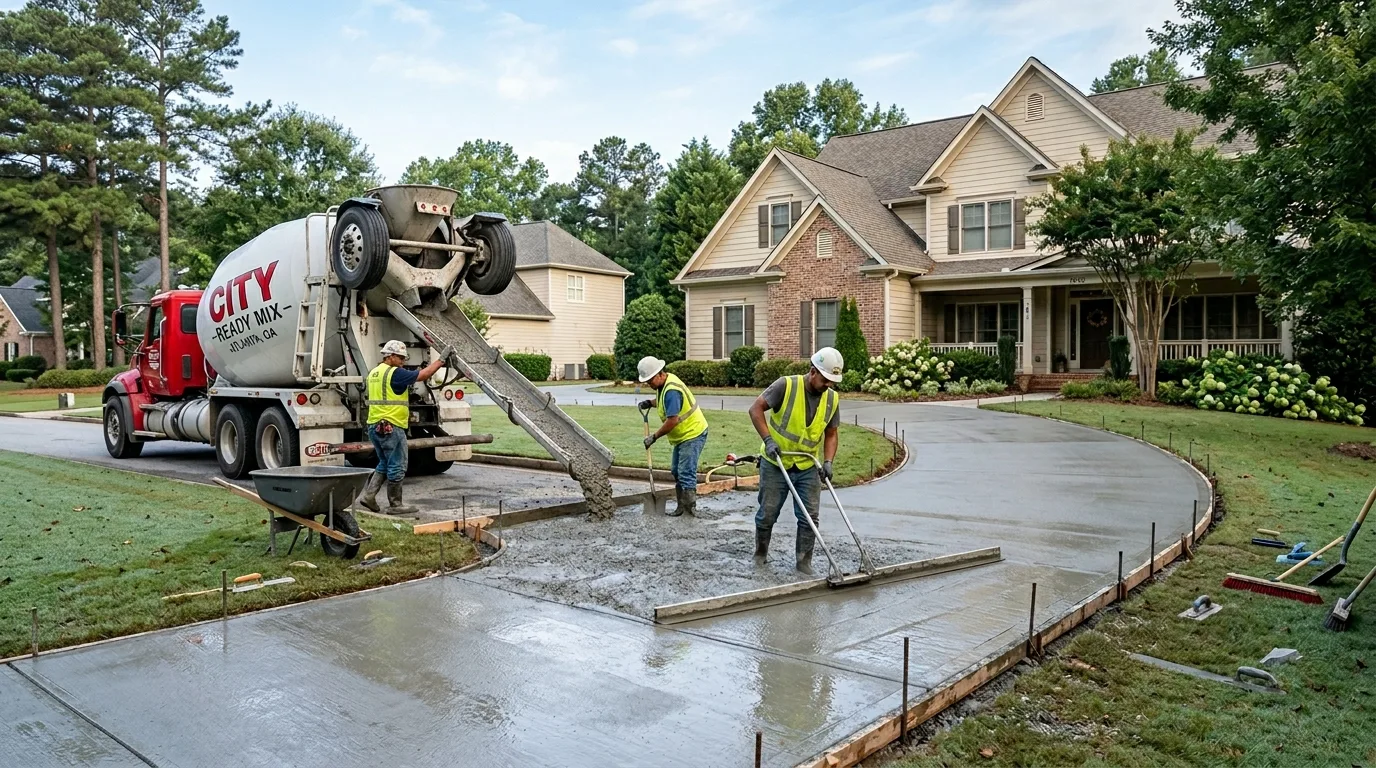
Timing a concrete pour in Acworth, GA isn’t just about contractor availability — it’s about concrete chemistry and how Georgia’s climate affects curing quality. Pour in the wrong season and your concrete can crack, blush, or fail to reach full strength before it’s exposed to the conditions that will stress it most. Pour in the right window and the same mix, the same crew, and the same budget produces a slab that lasts 40 years.
In this post, we cover the optimal pour seasons for Acworth and Cobb County, why summer and winter pours carry specific risks, and how to schedule your project for the best possible outcome.
Planning a Concrete Project in Acworth?
We schedule around Georgia's best pour windows — free estimates, same-day response. Call (888) 376-0955.
Why Concrete Timing Matters in Acworth
Concrete cures through a chemical process called hydration — the cement reacts with water to form the crystalline structure that gives concrete its strength. This process requires time and the right temperature range. Too hot, and the water evaporates before hydration completes, weakening the surface and causing cracking. Too cold, and hydration slows dramatically or stops, and freeze events can physically damage the partially cured slab.
Acworth’s climate adds humidity as a third variable. Georgia’s summer dew points above 65°F mean that even when temperatures are manageable in the morning, afternoon humidity spikes affect surface finish and curing. Understanding these three factors — temperature, cold risk, and humidity — is what makes seasonal scheduling relevant for every concrete project in Cobb County.
Types of Seasonal Windows in Acworth
Spring: April–May (Optimal) April and May are the best concrete pour months in Acworth. Daytime temperatures average 65–80°F, humidity is lower than summer, and rainfall — while still present — is more predictable with longer dry windows between events. Concrete poured in these conditions cures slowly and evenly, reaching maximum strength and surface integrity.
Spring is also the right time to install concrete driveways and concrete patios that will be used heavily through the summer outdoor season. Pour in April and the slab is fully cured and ready for summer by May.
Fall: September–October (Optimal) September and October are the second optimal window — temperatures drop back into the 65–80°F range after Acworth’s hot summer, humidity decreases significantly, and rainfall is less frequent than spring or summer. Fall is particularly good for larger projects, including stamped concrete installations that require more working time during the stamping process.
Governors Towne Club and Bentwater homeowners planning outdoor living space upgrades often schedule fall pours to have completed patios and driveways ready for the holiday entertaining season.
Summer: June–August (High Risk) Acworth’s summer heat — average July high of 89°F — with dew points above 65°F creates the most difficult pour conditions of the year. The concrete surface loses moisture faster than the interior can hydrate, causing premature surface stiffening and cracking. Properly managing a summer pour in Acworth requires early morning scheduling (pouring before 9 AM before temperatures peak), misting the sub-base and forms before the pour, using retarding admixtures to slow the set slightly, and applying curing compound immediately after finishing.
Summer pours can be done well by experienced contractors who know Georgia’s climate — they simply require more planning and execution care than spring or fall pours.
Winter: November–March (Freeze Risk) Acworth’s winter temperatures are mild on average, but January and February bring freeze events that are dangerous for fresh concrete. Concrete placed below 40°F cures too slowly; concrete placed below 32°F can freeze before reaching adequate strength, causing surface damage and strength loss that is not repairable without replacement.
The standard protection for winter pours in Acworth is insulating blankets over the fresh slab for 48–72 hours, and avoiding pours when temperatures are forecast to drop below 40°F within the first 24 hours after placement. Concrete that has been damaged by an unexpected freeze event often isn’t detectable until the surface begins to powder or scale in subsequent seasons.
Practical Uses: Scheduling Around Georgia’s Calendar
-
Driveway replacement in Acworth (spring scheduling): Homeowners who call in January or February get on the spring schedule for April or May installation — optimal conditions and the busy-season backlog before the market fills. Brookstone Country Club homes planning spring curb appeal upgrades before summer listing should initiate contractor contact in January.
-
Patio installation for summer entertaining: Pour in April–May for a fully cured patio ready for Memorial Day. Waiting until June to start creates both a summer pour risk and a scheduling crunch with other homeowners making the same decision.
-
Fall projects for winterization: Homeowners who discover concrete damage (cracks, settled sections, spalling) after summer storms should schedule repair or replacement in September–October before winter freeze creates further damage through the existing crack system.
-
Year-round concrete repair: Most crack fills, small patches, and surface sealing can be done year-round in Acworth as long as temperatures are above 40°F. Don’t delay concrete repair waiting for a specific season — early repair is always less expensive than repair deferred until damage expands.
How It Works: What Contractors Do Differently by Season
In spring and fall, concrete work in Acworth follows standard procedures with minimal climate management. In summer, experienced Acworth contractors adjust their workflow: early morning pours, pre-wetted sub-bases, retarding admixtures in the mix, wet burlap or curing compounds applied immediately after finishing, and occasionally erecting temporary shade over freshly poured concrete to slow moisture loss. In winter, insulating blankets are the primary tool, and pours are scheduled around weather windows where nighttime temperatures won’t fall below 32°F for at least 48 hours after placement.
Schedule Your Acworth Concrete Project for the Right Season
Acworth Concrete Pros plans pours around Cobb County's optimal weather windows — free estimates for spring and fall projects. Call (888) 376-0955.
Cost Factors: Does Timing Affect Price?
Spring and fall are typically the peak demand seasons for concrete contractors in Acworth — which means scheduling earlier gets better availability and, in some cases, lower pricing before the seasonal rush. Summer and winter pours may carry slight premiums to cover the additional management (early morning labor, admixtures, insulating materials) required for off-season work.
The bigger cost factor is what happens when concrete is poured in poor conditions: surface defects that require resurfacing, cracking that requires early repair, or complete failure that requires replacement. The upfront cost of scheduling during an optimal window is always less than the cost of remedying a pour that suffered from inadequate temperature management.
Frequently Asked Questions
When should I call a concrete contractor in Acworth to schedule spring work?
Call in January or February to get on the spring schedule. Concrete contractors in Acworth and Cobb County book their peak-season slots (April–May) by late February for the busy spring period. Homeowners who wait until March or April to call often face 4–6 week waits before work can begin.
Can I pour concrete in Acworth in December or January?
Yes, with appropriate precautions — but it’s not the preferred approach. January is Acworth’s freeze-risk month, and protecting fresh concrete from unexpected cold snaps requires insulating blankets and close weather monitoring. If you need a project done in winter, a qualified contractor can manage the risk. If you have flexibility, scheduling spring or fall is simply lower-risk and requires less active management.
Does concrete look different if poured in summer vs. spring in Acworth?
A summer pour managed correctly by an experienced contractor should produce equivalent surface quality. However, summer pours leave less margin for error — if finishing is rushed or curing is delayed, surface crazing (fine surface cracking) is more likely than in spring conditions. The visible difference, if any, typically appears within the first 1–3 years as the surface texture ages differently based on early curing conditions.
Get on the Spring or Fall Schedule in Acworth
Serving Acworth, Kennesaw, Woodstock, Cartersville, and all of Cobb County. Book early for the best availability.
Related: